Introducing…
Canary Resistance
A new organizing and action group centering the most marginalized disabled people

Purpose
Canary Resistance mobilizes disabled, Deaf, neurodivergent and chronically ill Californians to fight for justice and build power. Using a disability justice lens, we center disabled people who are BIPOC, queer, trans, and have other marginalized identities. We train people in how to do effective community organizing and advocacy, have an impact on boards and commissions, and effect change through disabled representation. We use tried and true organizing methods such as rallies, media events, phone calls, storytelling, social media, and more, in accessible ways, to create change on local, state, and federal issues affecting our lives.
Vision
We deserve a future in which people with all disabilities, of all races, genders, class, and other identities, are in community with each other. Being in community means that we have spaces to connect with people in the disability community, people who share marginalized life experiences, and spaces to connect across movement, learn from and with each other, and act in solidarity. We envision a future in which no disabled person, child or adult, feels alone or isolated, but knows how to find other disabled people and is encouraged to do so. We envision good physical and programmatic access, health care and housing for all, decision-making processes that prioritize disabled bodyminds and opportunities to vote and participate in civic life. City Councils, boards, commissions, and other bodies will include disabled people, not as tokens, but as critical members sharing their experiences and improving life for all Californians.
Name
Canary Resistance is made up of disabled, neurodivergent, Deaf and chronically ill people on unceded California land pushing back against the dangers and harms of living in an ableist society. The concept of canaries comes from the saying “canary in a coal mine,” as we are the folks first impacted by societal issues and often name the harms and give warning first in our society.
Can you donate seed money to help us develop the organization?
Please donate here to build Canary Resistance! (Note: this is not tax-deductible. Read why below.)
If you prefer to send a check, please make it out to Center for Empowered Politics (our fiscal sponsor), and be sure to put Canary Resistance in the memo line so it gets to us. Please mail to: Center for Empowered Politics, 1212 Broadway Blvd, Suite 700, Oakland CA 94612.
Canary Resistance is a 501c4 organization, which allows us to speak out openly about the issues that affect our lives and the elected officials who vote on these issues. Please note that a donation to a 501c4 organization is not tax-deductible. We hope this will not affect your ability to give. If you would like to make a generous donation to our partner 501c3 organization, please contact us at info@canaryresistance.org.
What’s next?
We will be holding a series of listening sessions in 2026 to hear more from marginalized, disabled Californians about work that is currently happening, what work is needed, and how we can develop Canary Resistance to meet the moment. Stay tuned for more information on plans and how to get involved.
Connect with us!
Please sign up here to get updates on our next steps and share your thoughts on this new organization. We look forward to connecting with you!
Contact us at info@canaryresistance.org.
Design Committee
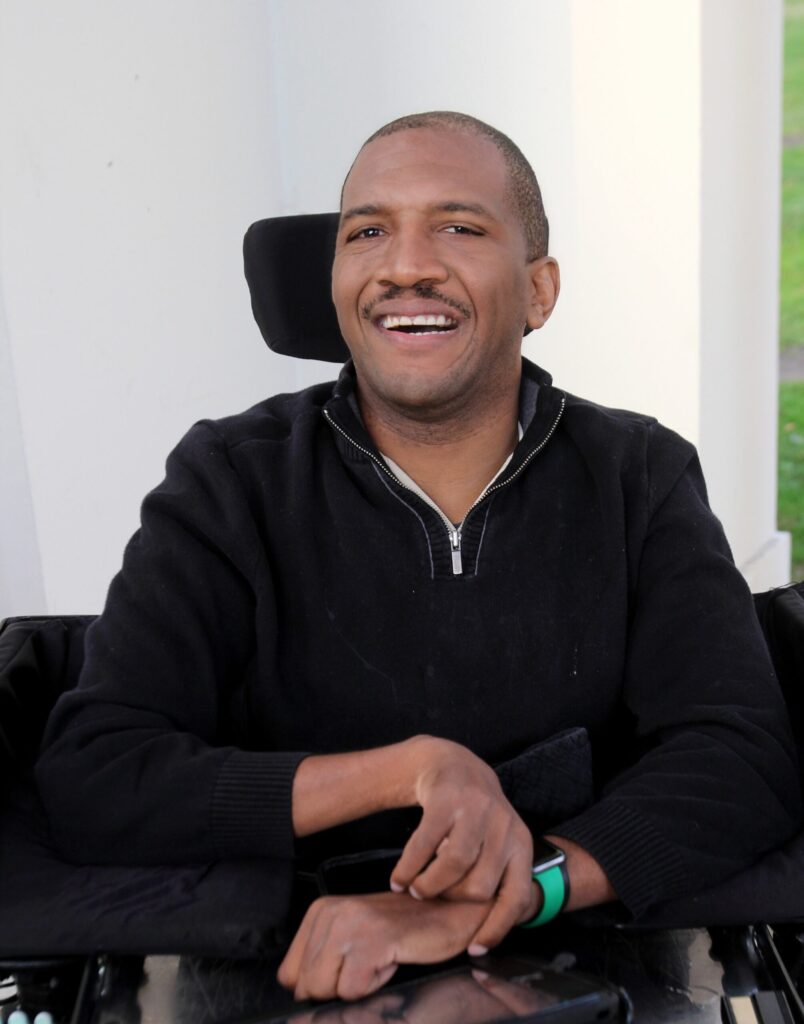
Lateef McLeod (he/him), Oakland, CA
Lateef McLeod is a scholar, a poet, and a writer. Both his anthropological training and his background in disability justice organizing inform his activism. He has performed in Sins Invalid and has been active in disability advocacy.
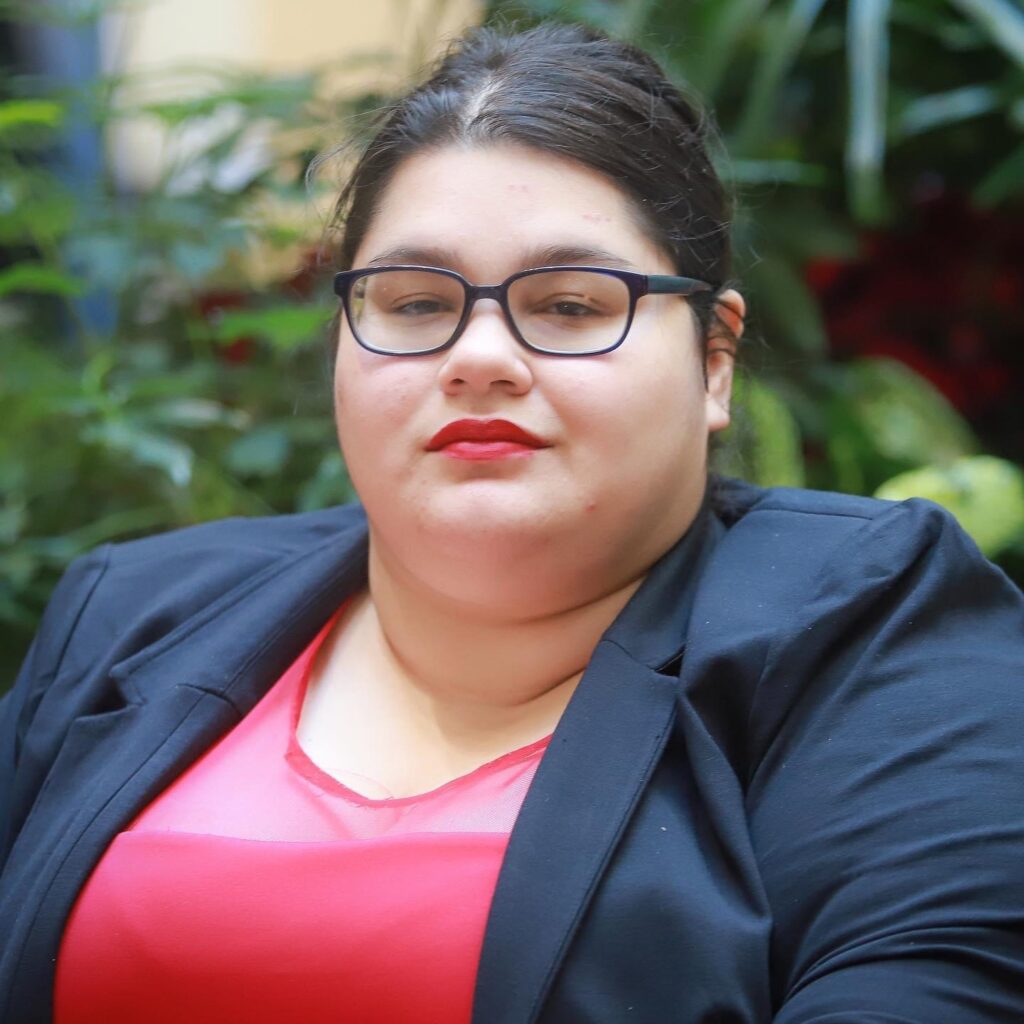
Yolanda Vargas (she/her), Sacramento, CA
Yolanda Vargas is a freelance writer, co-chair for the IEC Communication Group, and Advisory Chair for the WITH Foundation. She has been active in organizing disabled youth and adults through California Foundation for Independent Living Centers and other organizations.
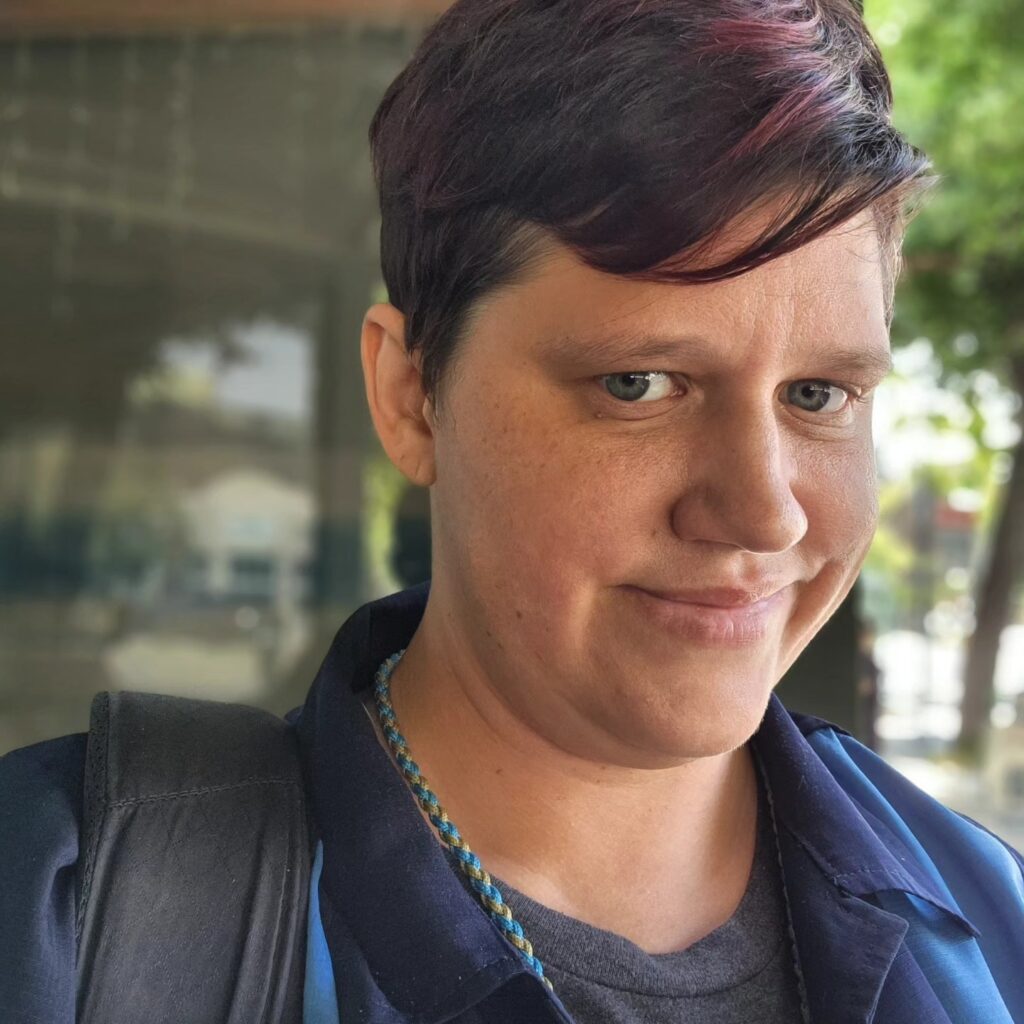
Rynn Mancuso (they/them), Oakland, CA
Rynn Mancuso has extensive experience in online community building, inclusion across many identities, digital campaigning technology, and working within the LGBTQ community. They have been involved in the disability movement for 20 years and have participated in initiatives around disability rights, disability culture, mad pride, disability justice, deinstitutionalization, and health policy. Rynn is disabled by hEDS, cPTSD, ADHD, and POTS and sometimes uses mobility aids.
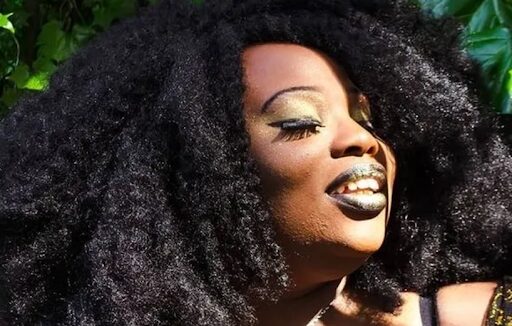
Rawiyah Tariq (they/them), Oakland, CA
Rawiyah Tariq is a Black, queer, fat, gender non-binary artist, kink aware professional, dancer, writer, speaker, and performer. They use magic, massage, storytelling, performance art and somatics to liberate, heal and reclaim space for marginalized community. Rawiyah’s most recent published work can be found in “The Politics of Size” co-authored with Juana Tango and edited by Ragen Chastian and their journey documented in interviews in Nia King’s “Queer and Trans Artist of Color”.
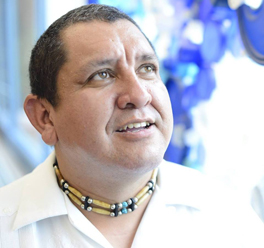
Héctor Manuel Ramírez (they/them/él), Los Angeles, CA
Héctor Manuel Ramírez is a disability advocate who has dedicated their life to volunteering and serving on various boards throughout Los Angeles County and the state of California. They focus on increasing mental health services for immigrants through their work. They work for the state of California and have served on the Los Angeles County Commission on Disabilities, California Commission on Disability Access, and Latino Underserved Cultural Communities, Disability Rights California board, and National Disability Rights Network board. They identify as Latino Chiricahua Apache, Two Spirits.

Cindy Calderon (she/her), Eureka, CA
Cindy Calderon is a longtime disability advocate in Humboldt County. She worked as Systems Change Advocate at Tri County Independent Living for more than 20 years. She is recognized statewide for her advocacy for In Home Supportive Services (IHSS) and won the Region Award from the National Council on Independent Living in 2018. She strongly believes no one should be forced to Iive in a nursing home.
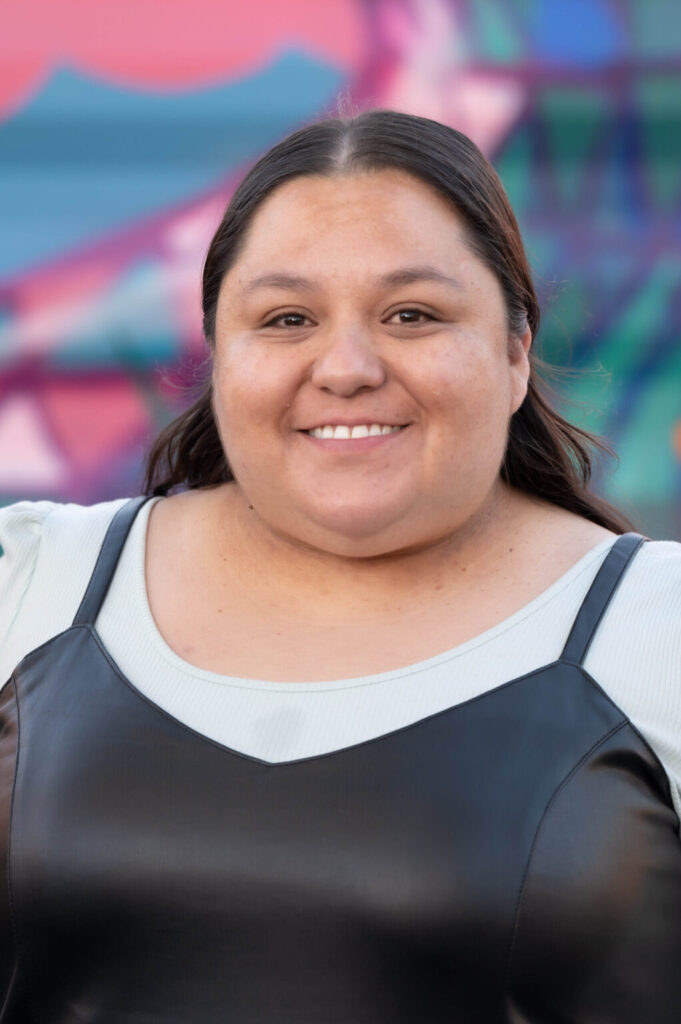
Dolores Tejada (they/them), Oakland, CA, Co-Director
Dolores Tejada believes in collective liberation through organizing, action, and care. They identify as and hold the following identities: fat, disabled, queer, femme, and brown. A lifelong organizer, their successes include establishing disabled youth organizing at an independent living center, making Dyke March accessible, and co-founding and directing StaceyFest. They were previously the Director of Organizing at East Bay Housing Organizations and are now the Statewide Organizer for the Disability Organizing (DO) Network. Dolores was born and raised in the Bay Area from Guatemalan (Ch’orti Mayan ancestry) immigrant parents.
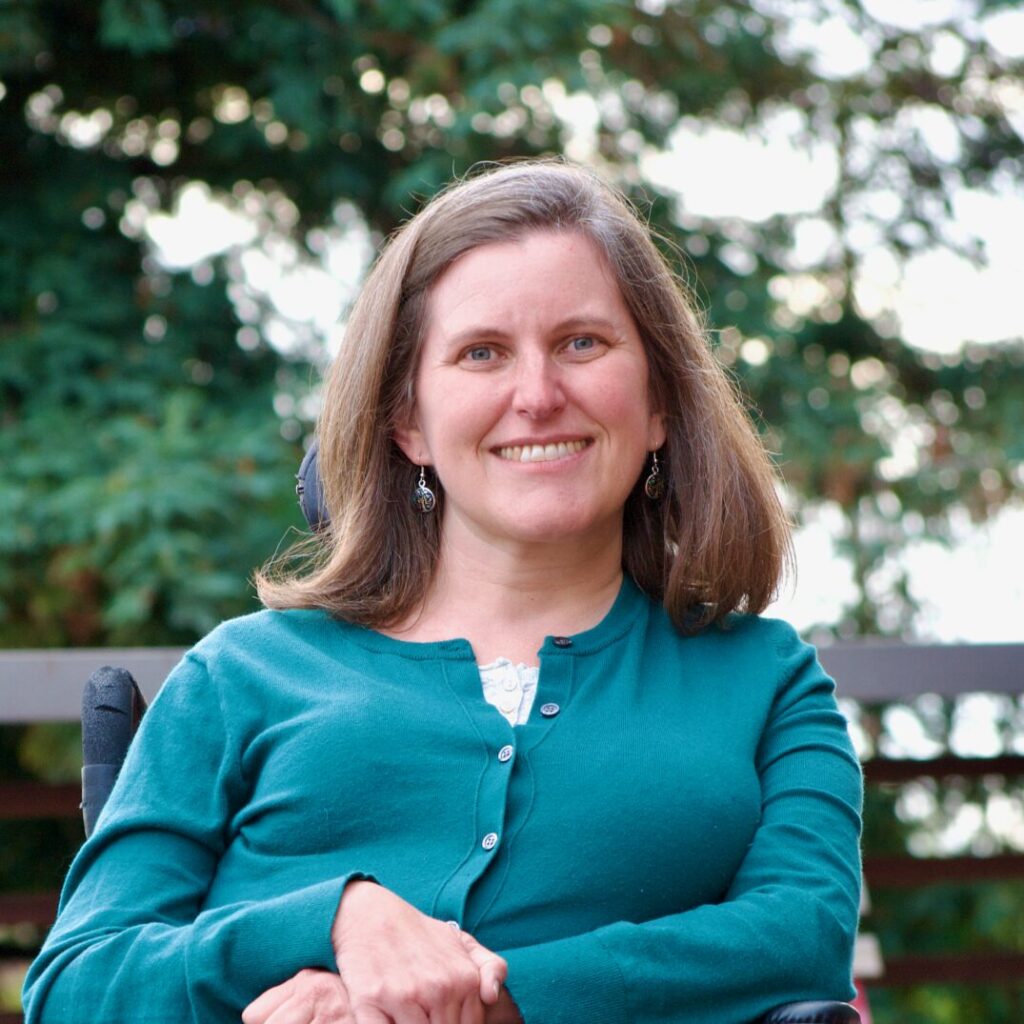
Jessica Lehman (she/her), Oakland, CA, Co-Director
Jessica Lehman is a disabled, queer, white community organizer, focused on bringing together disabled people and building connections between marginalized communities. She has led coalitions to win rental subsidies, home care, and free bus service; led advocacy organizations; supported individuals in community transitions. Jessica got her organizing start with ACORN and recently served as Executive Director for Senior and Disability Action. She currently conducts trainings in disability and ableism, supports organizations to improve their disability work, and works for home care affordability and domestic worker rights with Hand in Hand.